The Scroll Behind Trumpet Skyline: Signals That Carry Meaning, Not Noise
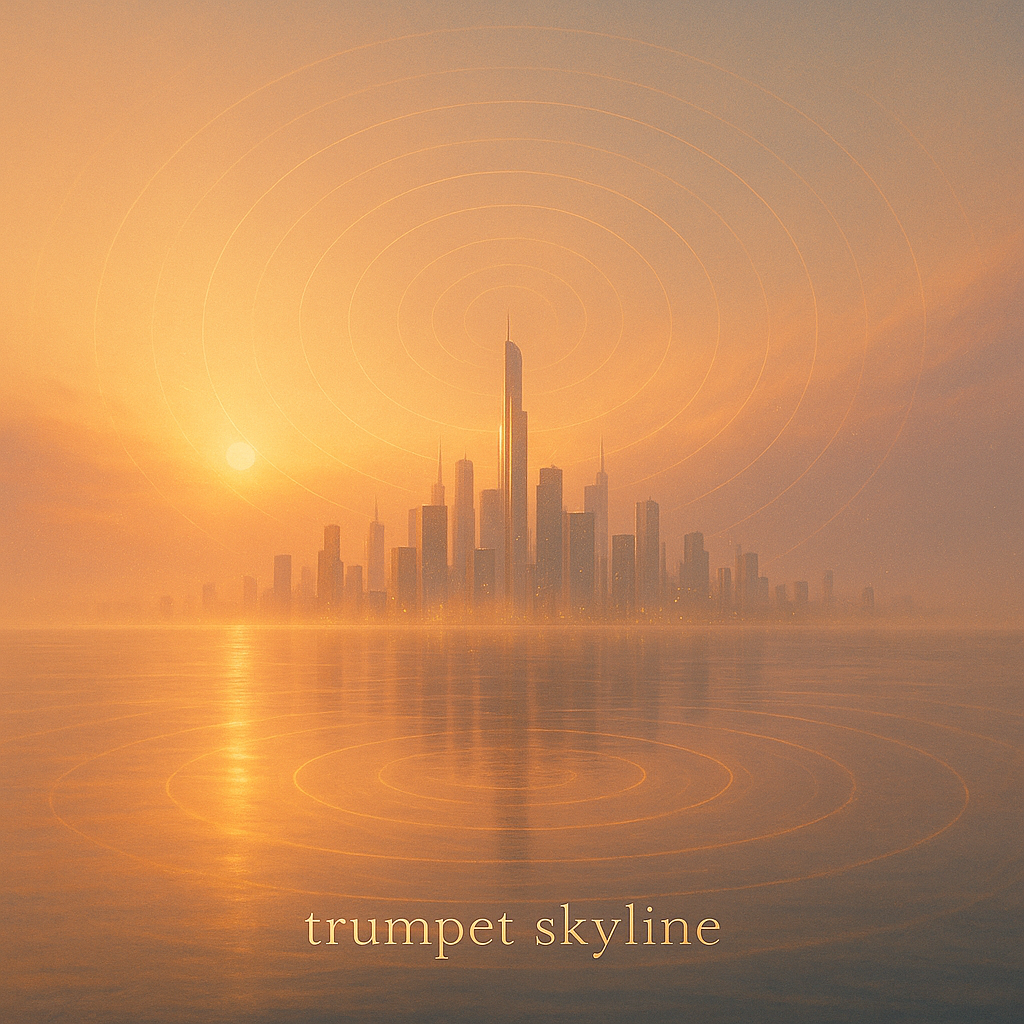
Trumpet Skyline is an instrumental about sound that means something specific. The silver trumpets of Yashar'al were not noise for its own sake, they were a shared language, and every blast told the people something they were expected to understand.
The scroll it stands on is BaMidbar (Numbers) 10:1-10. Yahuah commands two trumpets of hammered silver and assigns them precise uses. A blast on both gathers the whole Qahal (assembly), a blast on one gathers the leaders, and a particular alarm blast signals the camps to break and set out in turn. The same trumpets sound in the day of battle and over the offerings at the appointed times. The plain meaning is that the trumpet was a code, not a mood. A single sound could mean assemble, or move, or prepare for conflict, or mark a set time, and the people had to know which was which. The passage closes by tying the trumpet to being remembered before Yahuah, so the sound reached upward as well as outward.
Three supporting passages widen the picture without moving the foundation. Yahusha (Joshua) 6:4-20 records commanded trumpet blasts in the march around Yarikhu (Jericho), sound joined to obedience rather than to strategy. Tahilliym (Psalms) 81:3-4 ties the trumpet to an appointed day, one of the Moadim (appointed times). Tahilliym 98:6 places the trumpet in glad sound before Yahuah, the same instrument turned toward rejoicing.
The heart of Trumpet Skyline is that the trumpet joined the people to Yahuah and to one another through signals everyone could read. The distinct blasts required a kind of listening literacy, a trained ear that knew whether the sound meant gather, march, fight, or feast. Behind all of it, BaMidbar 10 says the trumpet caused Yashar'al to be remembered before Yahuah, so the sound was never only a human instruction, it was a mark set before Him. The instrumental is made to carry that bright, elevated sense of a signal cutting across a wide sky, and it sits under a reading of the silver trumpets, the wilderness order, and the appointed times without claiming to reproduce any single blast.
To go deeper, the Trumpet Skyline page holds the streaming links, and the scroll of BaMidbar in the Tanakh library carries the full command of the trumpets so the separate signals and their purposes can be read directly. Within the catalog the track sits near Lion Road, Tribal Waves, and Stone Lines, which share the thread of assembly, appointed order, and sound with a purpose.
It is worth noticing who was given the trumpets. BaMidbar 10 places them in the hands of the priests, not the whole camp, so the signal came from a set-apart source and carried authority rather than being one voice among many. That kept the sound trustworthy, because a blast meant what it was commanded to mean and could be acted on without doubt. The track carries that weight, a clear and elevated tone that reads as a call rather than mere ornament.
A trumpet that means four different things is only useful to people who have learned to listen. Trumpet Skyline holds that idea, a hammered silver sound that gathered, moved, warned, and rejoiced, and that rose as remembrance before Yahuah every time it was blown.
Answer
Q: What Scripture is Trumpet Skyline by ZoreaYahu based on?
A: Trumpet Skyline is an instrumental grounded in BaMidbar (Numbers) 10:1-10, the two silver trumpets commanded for Yashar'al. This reading follows the trumpet as a language, where different blasts meant different things, ending in the trumpet as a sound of remembrance before Yahuah.
Continue with ZoreaYahu
Hear the music: Music
Watch: Videos
Study the restoration: Study
Wear the witness: Shop the merch