The Scroll Behind Peace Gate: A Doorway Into Wholeness
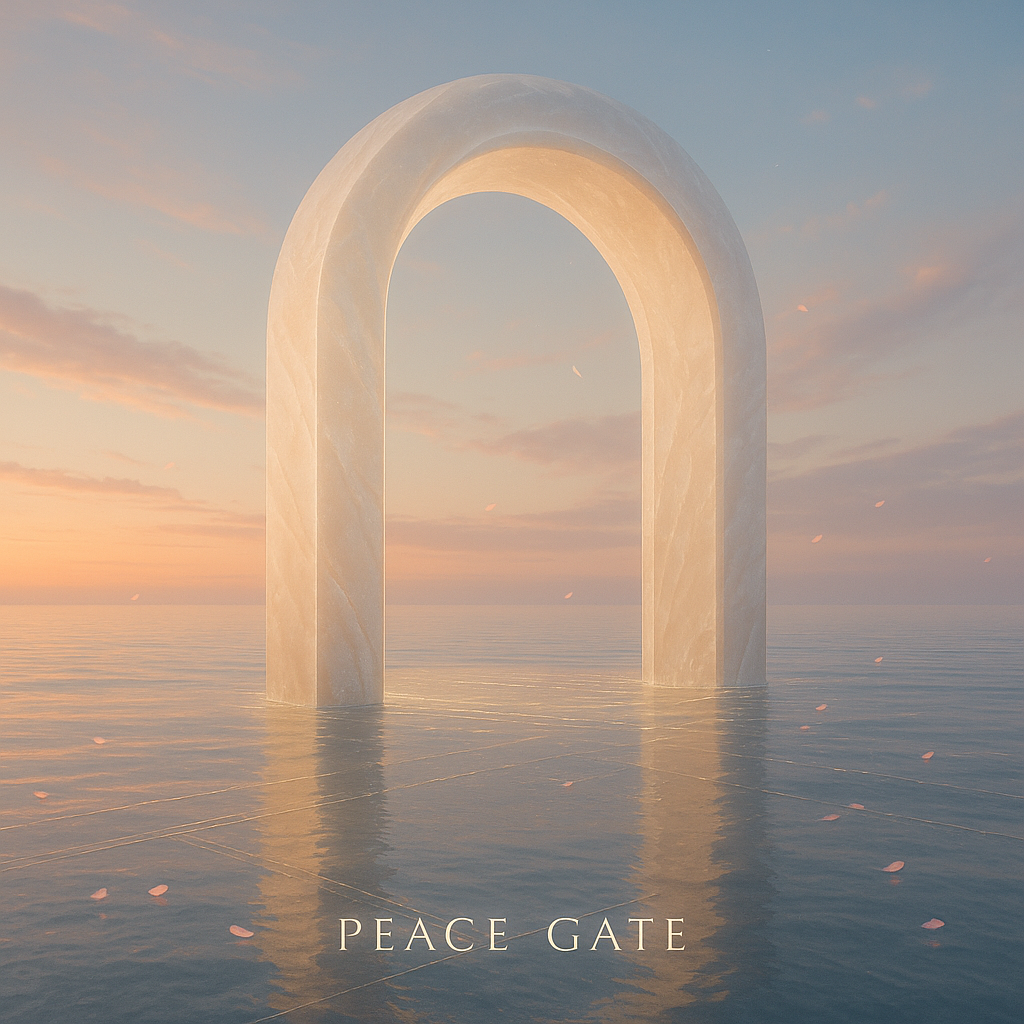
Peace Gate is an instrumental about a doorway and what a person is meant to be carrying as they pass through it. The passages behind it join two things the Scrolls keep close: gates and peace.
The primary passage is Tahilliym (Psalms) 122:6-9, a call to pray for the peace of Yahrushalam. The Shalum (completeness, peace) asked for is not only quiet from war. It is wholeness for a place, peace within its walls and security within its towers, and the passage gives the reason plainly: the writer seeks the good of the city for the sake of the house of Yahuah that stands in it. Peace here is tied to His presence, not to circumstances.
The supporting passages set the gate in place. Tahilliym 100:4 says to enter His gates with thanksgiving and His courts with praise, which fixes the posture of approach: you come through the gate giving thanks, not demanding. Tahilliym 118:19-20 asks for the gates of rightness to be opened and names them as the gate the righteous enter. Yashaʿyahu (Isaiah) 26:1-4 joins the whole picture: a strong city with gates opened for a rightness-keeping people, and the promise that Yahuah keeps in complete peace the one whose mind is stayed on Him because he trusts.
The angle the title opens is that the gate and the peace are one subject. A gate is a boundary, the point where outside becomes inside, and in these passages the peace waiting inside is not neutral calm but Shalum bound to the house and presence of Yahuah. Yashaʿyahu 26 supplies the hinge: the peace is kept for the mind that stays on Him, held there by Amunah (firmness, trust). And Tahilliym 100 says how one crosses: with thanksgiving. Peace, then, is not seized at the gate but entered, by trust and with thanks.
As an instrumental, Peace Gate is made to carry that sense of approach. It is calm and unhurried, the shortest track in this set, closer to a threshold than a journey, the kind of sound that settles a reader before the reading rather than driving it. It sits under these passages as a quiet way in.
You can hear Peace Gate on its own page with its streaming links, and read the passage it rests on in the scroll of Tahilliym in the Tanakh library, with Yashaʿyahu 26 nearby for peace kept by trust. In the catalog it stands with Golden Way, Quiet Ruakh, and Morning Branch, which share its themes of approach, peace, and reflection.
The gate in these passages is not only an entrance to a city but an entrance into peace, and the peace is held by trust in Yahuah and entered with thanks. Peace Gate is made to be that quiet way in.
Answer
Q: What kind of peace does Tahilliym 122 ask for, and how is it entered?
A: Tahilliym 122 asks for the peace of Yahrushalam, sought for the sake of the house of Yahuah that stands in it. The peace is wholeness bound to His presence, not just quiet from conflict. The supporting passages show it is entered with thanksgiving and kept for the mind that stays on Yahuah in trust.
Continue with ZoreaYahu
Hear the music: Music
Watch: Videos
Study the restoration: Study
Wear the witness: Shop the merch