The Scroll Behind Olive Bloom: Rooted, Green, and Fruitful In The House
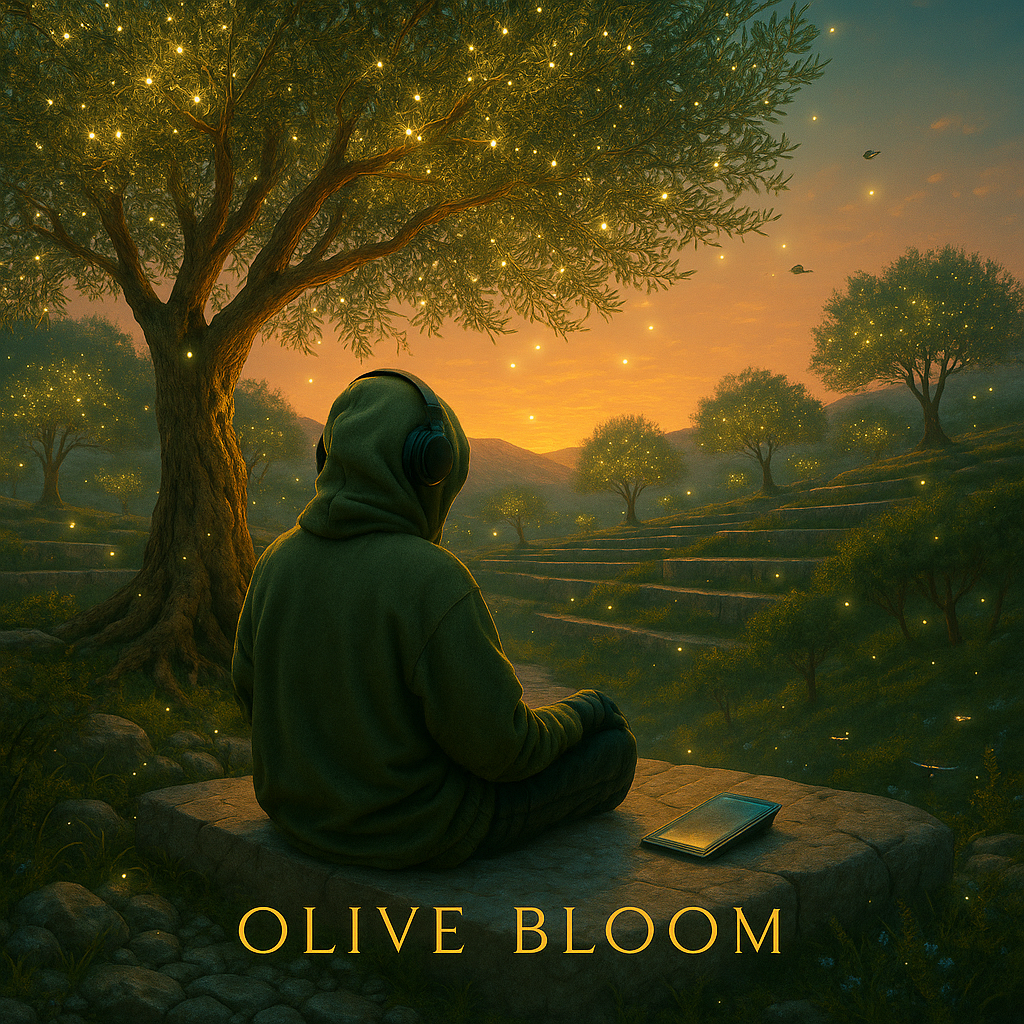
Olive Bloom is an instrumental shaped around one steady image: a tree that stays green because of where its roots are. The song is unhurried on purpose, because an olive tree is not a fast plant. It grows slowly, lives long, and keeps giving.
The passage it stands on is Tahilliym (Psalms) 52:8-9, where the writer sets himself against the boastful and simply declares that he is a flourishing olive tree in the house of Yahuah, leaning on Khasad (loyal mercy) and waiting on the Name. Read it beside Tahilliym (Psalms) 128:3, which pictures a household flourishing like a fruitful vine and young olive plants around the table, tying the tree to family, continuity, and blessing. Yirmiyahu (Jeremiah) 11:16 uses the same image as a warning, calling the people a green olive tree once fair and fruitful, now under threat when the Bariyth (binding covenant) is broken. And Shaphatim (Judges) 9:8-9 places the olive first among the trees, honored precisely because its oil serves both the set-apart and the ordinary. The olive is never random in the Scrolls. It stands for a life that produces.
The heart of Olive Bloom is that fruitfulness comes from being planted, not from striving. A tree in the house of Yahuah draws on Khasad and grows into Tsedek (rightness) over time. The music carries that slow confidence. There is no anxiety in it, because the olive does not hurry and does not fear the seasons. It sits under the reading of a person whose trust is settled and whose growth is quiet. This is Amunah (firmness, trust) with roots. The song is made for reflection on that kind of endurance, the sort that keeps a life green when the boastful around it wither. Fruit is the evidence. The tree only has to stay planted.
Listen and go deeper on the Olive Bloom page and its streaming links, then open the scroll of Tahilliym in the Tanakh library and read Psalm 52 to its close, where the green tree answers the boaster. The companion instrumentals grow in the same soil: Cedar Shade stands tall and rooted, Living Flow carries the water that keeps the roots alive, and River Light moves in the same fed and flourishing world. Heard together they map a whole landscape of things kept green.
A boaster trusts his own strength and falls. A planted tree trusts the ground it was given and stays green for a lifetime. Olive Bloom holds that difference in sound, and asks only where your roots are.
Answer
Q: Where does Scripture compare a person to a flourishing olive tree?
A: In Tahilliym (Psalms) 52:8-9 the writer says he is like a green olive tree planted in the house of Yahuah, trusting in the loyal kindness of Yahuah continually and waiting on His Name. The olive tree is the picture of a person kept alive, fruitful, and rooted because of where it is planted, not because of its own strength.
Continue with ZoreaYahu
Hear the music: Music
Watch: Videos
Study the restoration: Study
Wear the witness: Shop the merch