The Scroll Behind Blood That Speaks: The Voice That Rose From the Ground
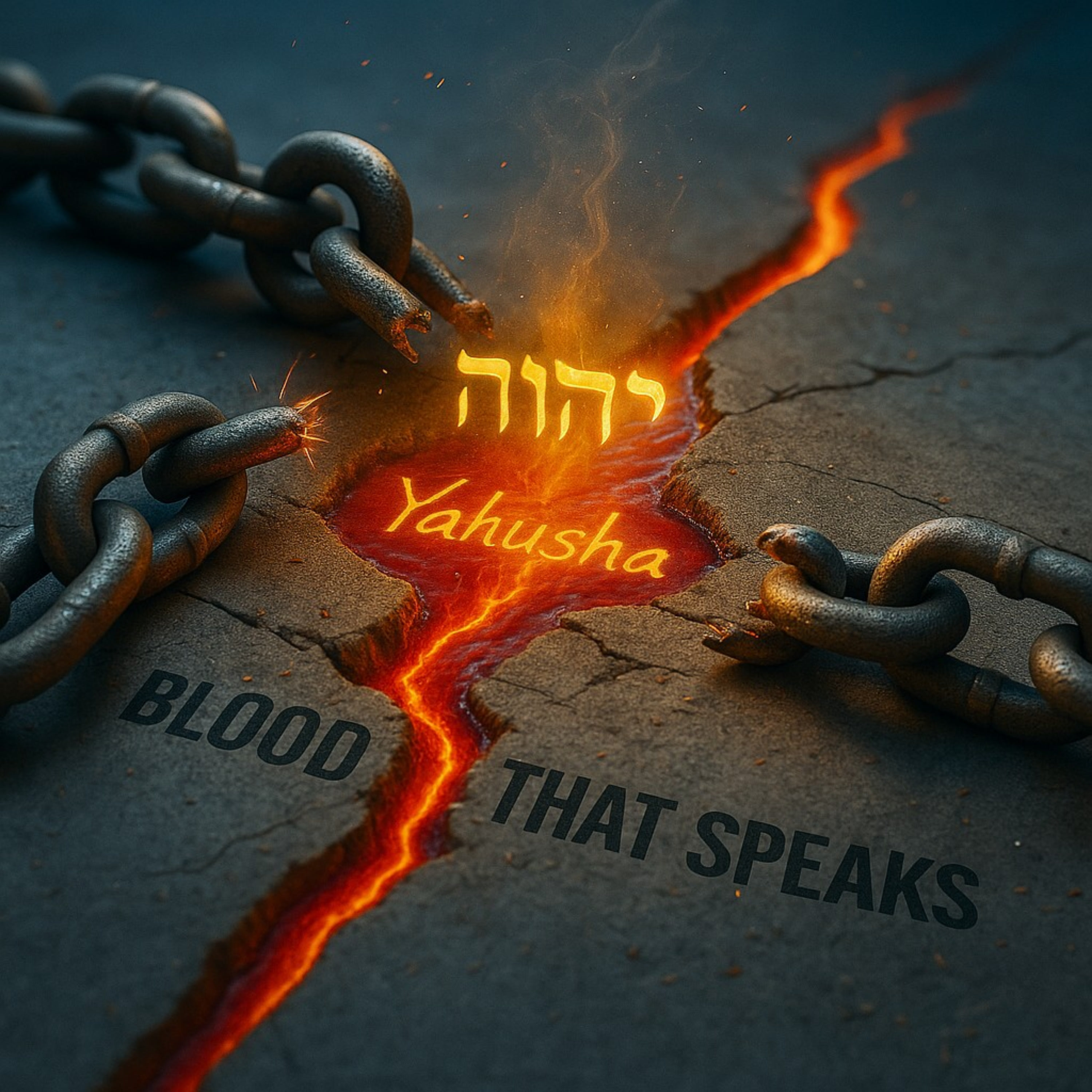
Blood That Speaks begins where blood first found a voice, in the ground of a field, crying out to the One who hears. The song follows blood through the Scrolls as witness, sign, and covering, and it starts at the first cry.
The scroll it stands on is Barashiyth (Genesis) 4:8-10. Its plain meaning is stark: after the killing in the field, Yahuah confronts Qayin and says the voice of his brother's blood is crying to Him from the earth. Blood, spilled unjustly, does not fall silent; it testifies. From there the song follows the trail. Shamuth (Exodus) 12:7, 12-13 places blood on the doorposts so that when judgment passes through Mitsrayim it sees the sign and passes over that house. WaYiqra (Leviticus) 17:11 states plainly that the life of the flesh is in the blood, given upon the altar to make covering. Ibrim (Hebrews) 12:22-24 gathers it all and speaks of blood that speaks a better word than the blood of Habel, no longer only crying for justice but announcing covering.
The heart of the song is that blood is never neutral in the Scrolls; it is a witness and a Bariyth (binding covenant) sign. From the ground in Barashiyth it demands. On the doorposts in Shamuth it protects. On the altar in WaYiqra it covers, because the life is in it and life is what answers for life. By Ibrim the same theme has become a better word, a covering that speaks mercy where the first blood spoke only accusation. The song holds both voices together, the cry that rose from the field and the covering that answers it, and it lets the listener feel the weight of a testimony that Yahuah Himself hears from the earth. Blood speaks, and Yahuah is the One who listens.
There is a deliberate movement across these passages, and the song follows it rather than flattening it. The blood of Habel in the field could only accuse, because it was innocent life taken and left crying for Mishpat (right ruling). The blood at Pesakh in Shamuth 12 does something the first blood could not; it stands as a sign that turns judgment aside from a marked house. The blood on the altar in WaYiqra is given by Yahuah for the very purpose of covering, so that the life it carries answers on behalf of another life. By the time Ibrim speaks of blood that speaks a better word, the whole trajectory is visible: from a cry that demands, to a sign that protects, to a covering that reconciles. The song refuses to pick only the comforting end of that line. It keeps the first cry audible, because the mercy at the end means nothing if the demand at the beginning was never real.
To listen and go deeper, find the Blood That Speaks page and its streaming links, and read the scroll of Barashiyth in the Tanakh library, following the blood theme forward into Shamuth and WaYiqra. Related songs carry the same thread: It's The Blood, Yahusha High Priest & King, and Yahuah's Day of Covering.
The first blood cried for justice. A better word now covers. This song stands between the two cries and refuses to look away from either.
Answer
Q: Where does Scripture first describe blood as speaking?
A: The first time the Scrolls describe blood as speaking is Barashiyth 4:8-10, after Qayin kills his brother. Yahuah says the voice of his brother's blood is crying out to Him from the ground. From that scene onward, blood in the Scrolls carries witness, testimony, and demand.
Continue with ZoreaYahu
Hear the music: Music
Watch: Videos
Study the restoration: Study
Wear the witness: Shop the merch